E29: Defend the West, “Line go up”, Inequality is not the problem, and more:

Tony Morley, October 30th, 2026

“Where GDP per capita is higher, living conditions are far better in many ways. Where average incomes are higher, children die less often, fewer of them are born dead, mothers die less often, fewer children suffer from hunger,” — Max Roser, Our World In Data
Welcome to The Up Wing
You’re reading The Up Wing, Edition 29. We’re pro-growth, free markets, progress, capitalism, trade, freedom, liberty and classical liberalism. Help support our work and mission by sharing Edition 29 on X/Twitter here:
What the French Protests Can Teach Americans
“Capitalism isn’t the source of France’s woes, and more government spending is not the solution.” — What the French Protests Can Teach Americans
“The most obvious answer to France’s problems is economic growth—much easier said than done, of course. The reason that’s so hard for France isn’t because the government is “unresponsive” to the people and their concerns., It’s because it’s too responsive.”
 Jonah Goldberg

“Line go up”
"Line go up" is the pejorative that saved a billion lives and enriched billions more. It's not simply correlation; it's causation. This is the graph the degrowthers want you to ignore.
“Where GDP per capita is higher, living conditions are far better in many ways. Where average incomes are higher, children die less often, fewer of them are born dead, mothers die less often, fewer children suffer from hunger,”
 Max Roser
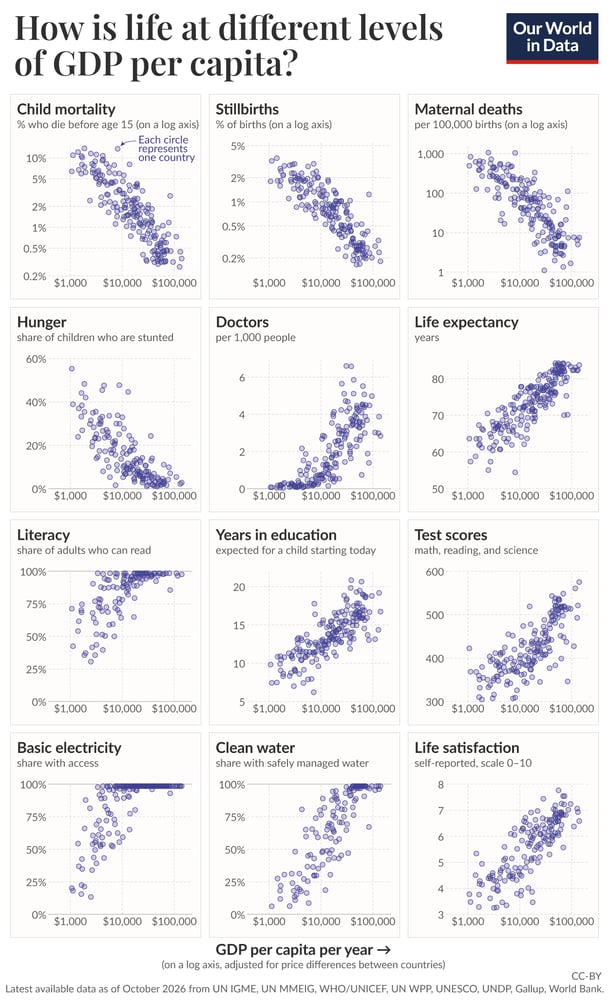
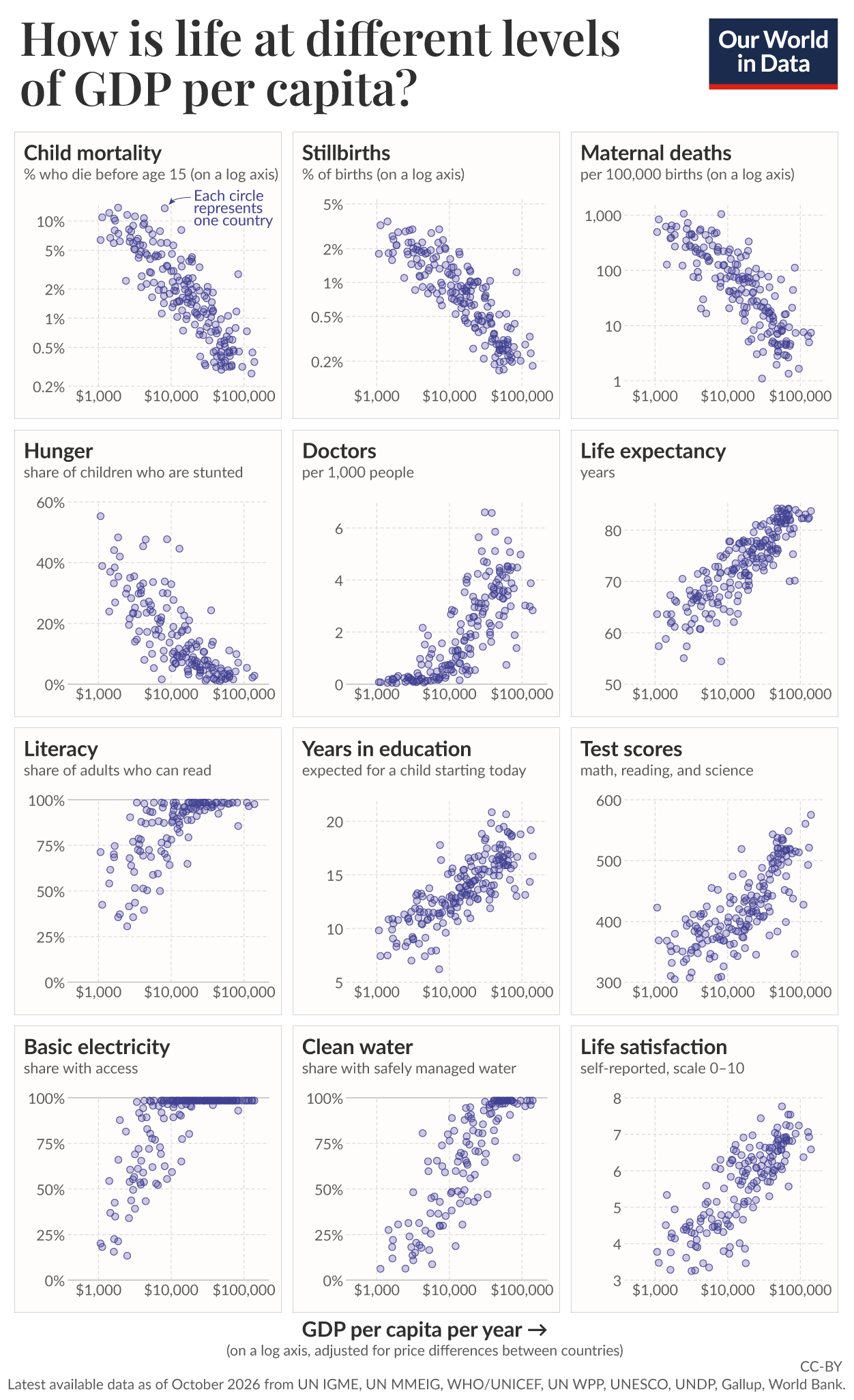
“The disparity between countries with a low and a high GDP per capita is enormous.” “A child born in one of the poorest countries is more than 20 times as likely to die as a child born in one of the richest.”
Inequality Is Not the Problem
“The absolute condition of the poor has been raised overwhelmingly more by the Great Enrichment than by regulation or redistribution.” — Inequality Is Not the Problem, Deirdre Nansen McCloskey
Economic growth does for poverty what redistribution consistently fails to accomplish. It turns out, “line go up” has reduced poverty and lifted living standards more effectively than any other broad force or government intervention.
 Deirdre Nansen McCloskey

Wives for Sale, Poisoned Husbands, and 12-Year-Old Brides: The Grim Reality of Preindustrial Marriage
“Traditional” marriage was rarely about love and more about who happened to be around.”
 Chelsea Follett

“Preindustrial marriage was not the fairy tale that many people imagine.” “In reality, limited partner choices, widely tolerated domestic abuse, and frequent early deaths meant marriage was fraught with challenges. In short, marriage wasn't always happily ever after.”
Light from space shows the remarkable progress of global prosperity
What you're seeing is not just the "change of night lights over 30 years", but the fall of poverty, and the rise of prosperity. More light, generally correlates with higher living standards. Root Source: @tulparmaps
“In the early 14th century, one million lumen-hours — a standard lighting measure — would have cost around £34,000 in 2000 prices. By 2023, this had fallen to £2.15, a 16,000-fold decline.”
 Max Roser and Hannah Ritchie and Pablo Arriagada and Bertha Rohenkohl

Defend The West
On January 13th, 2027, the Conjecture Institute will host the “Defend the West” conference online, featuring an outstanding lineup of some of the brightest minds, including Steven Pinker, Johan Norberg, Yaron Brook, Deirdre McCloskey, Michael Shermer, Nick Gillespie, David Friedman and more.
“An online conference hosted by Conjecture Institute on the ideas that built the modern West — reason, free inquiry, individual rights and open markets — and on what it takes to defend them.”


“The inheritance of the Western project is being questioned from many directions at once. This conference brings together philosophers, economists, scientists and writers to ask which parts of that inheritance are worth defending, why Western institutions foster progress better than any alternatives ever created by man, and what we can do to ensure that the West continues to serve as a beacon of progress and prosperity for ages to come.”
The Dynamics of Abundance
Why America makes new fortunes and Europe preserves old ones.
“A market economy works best when new firms can challenge old ones and failure releases resources for better uses. The American advantage is not the existence of billionaires. It is the greater turnover behind them.”
 Marian L. Tupy

“Progressives like Sanders and Ocasio-Cortez who see billionaires as takers prefer redistribution as the solution to perceived or real want in the United States. That can change who receives a given amount of income today. But it comes at the cost of growth, which changes how much income, knowledge, technology, and productive capacity exist tomorrow.”
France and the limits of liberalism, Noah Smith
“France’s riots” “Demonstrate the limits of European-style left-liberalism — the lavish welfare state, the tolerant attitude toward mass immigration, and the trust in Keynesian demand management.”
“That points to a political-economic problem for Keynesian liberalism.” “Spending is often less likely to be determined by the wise judgement of technocrats, and more likely to be determined by angry ignorant people burning down government buildings.”
 Noah Smith

The Moral Case for Markets and the Free Society
Samuel Gregg's latest book “The Civilization of Commerce,” just dropped, and it's a must-read.
“One of humanity's greatest achievements is the market economy. Since the late-eighteenth century, it has radically reduced poverty and created opportunities for millions who might otherwise have been condemned to lives of misery.”

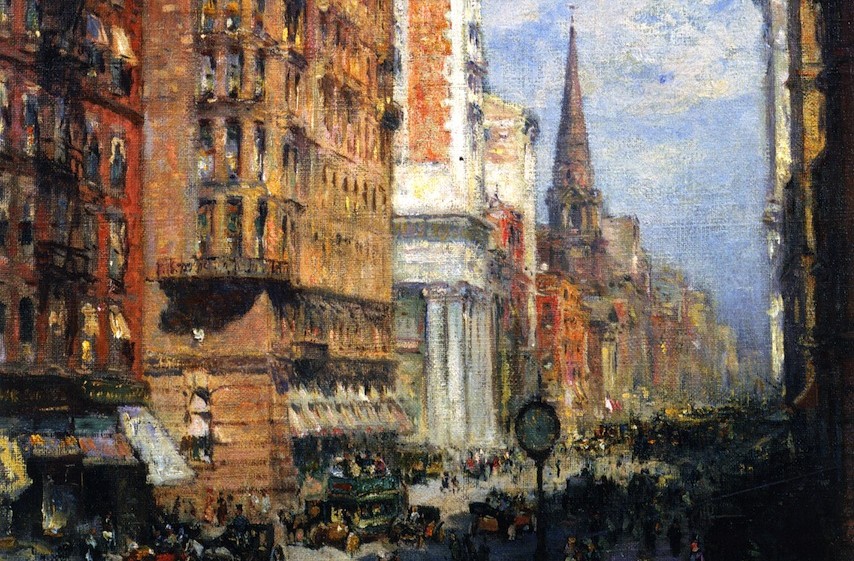
“His thesis is that markets are necessary for free society’s survival and should be added to the other arguments already offered in defense of the market order.”
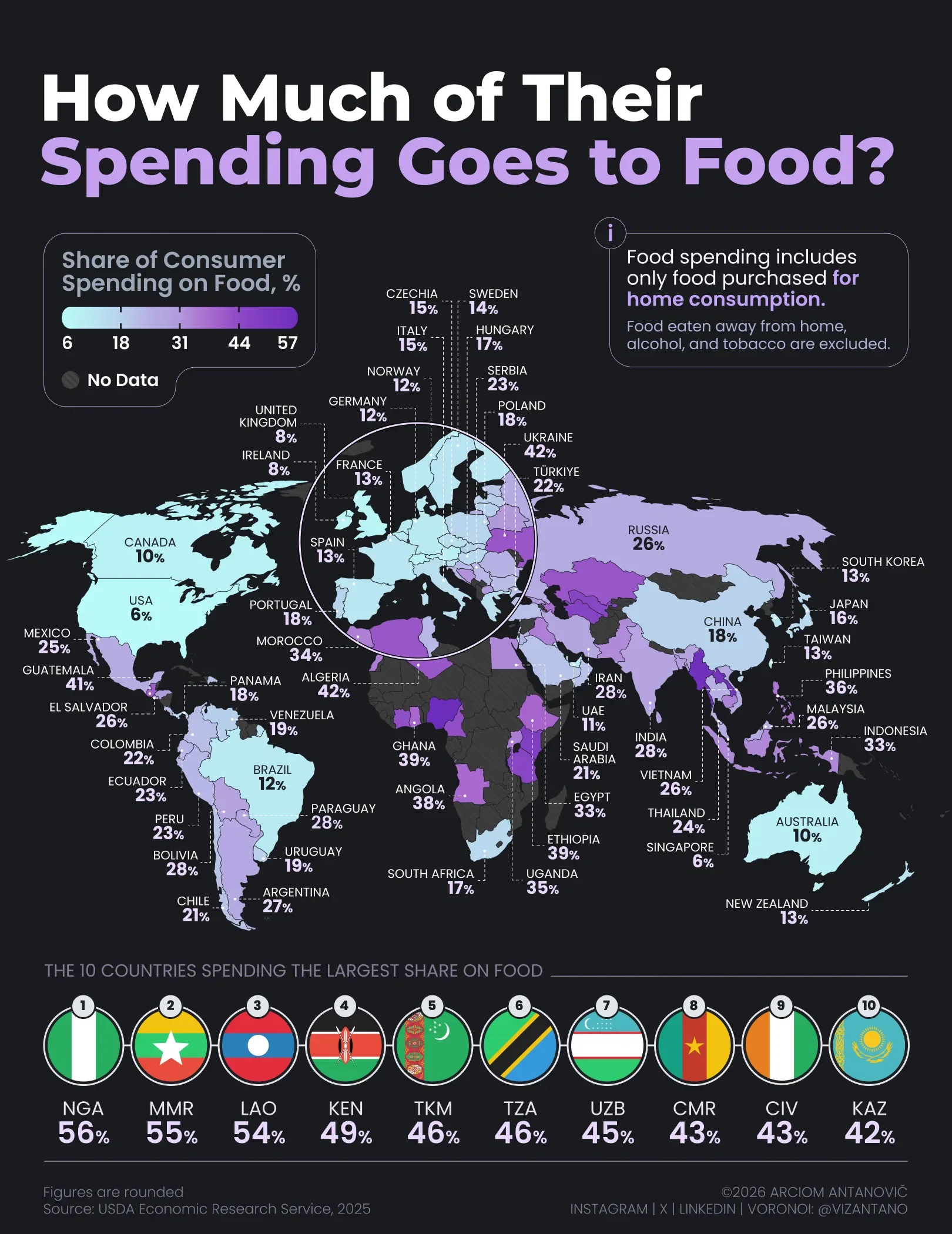
Richer countries spend less proportionally on food
Food feels expensive in the West, but it's better than it looks. The share of consumer spending on food in the United States, the UK, Australia and Canada is 6%, 8% and 10% for AUST and CAN, respectively. While low-income countries like Nigeria, Myanmar and Laos, all spend >50%.
“How much of a household’s spending goes toward putting food on the table? Depending on where you live, the answer can range from a small fraction to more than half.”
 Srijaa Chatterjee
“The gap between the highest- and lowest-spending countries is substantial. In Nigeria, more than half of consumer spending goes toward food purchased for home consumption, while other countries like the U.S. and Singapore spend closer to 6% each.”
The Nobel Prize is making economics exciting again
“Rich countries are not rich because they started out with vast amounts of capital. Rather, capital was accumulated because sound institutions and government policies made investment worthwhile.”
“Thomas Sowell writes: ‘Poverty occurs automatically. It is wealth that must be produced, and must be explained.’ That is precisely what a famous paper by Robert Hall, one of this year’s Nobel laureates, attempts to explain.” — Mani Basharzad for CapX
 Mani Basharzad

America Has Been Enriched — Not Ripped Off — by Free Trade
“Tariffs create trade wars with our closest allies in our hemisphere, such as Canada and Mexico, and reduce growth in America. We now have sustained inflation based on tariffs, as well as lower economic growth.”
 Bob Luddy
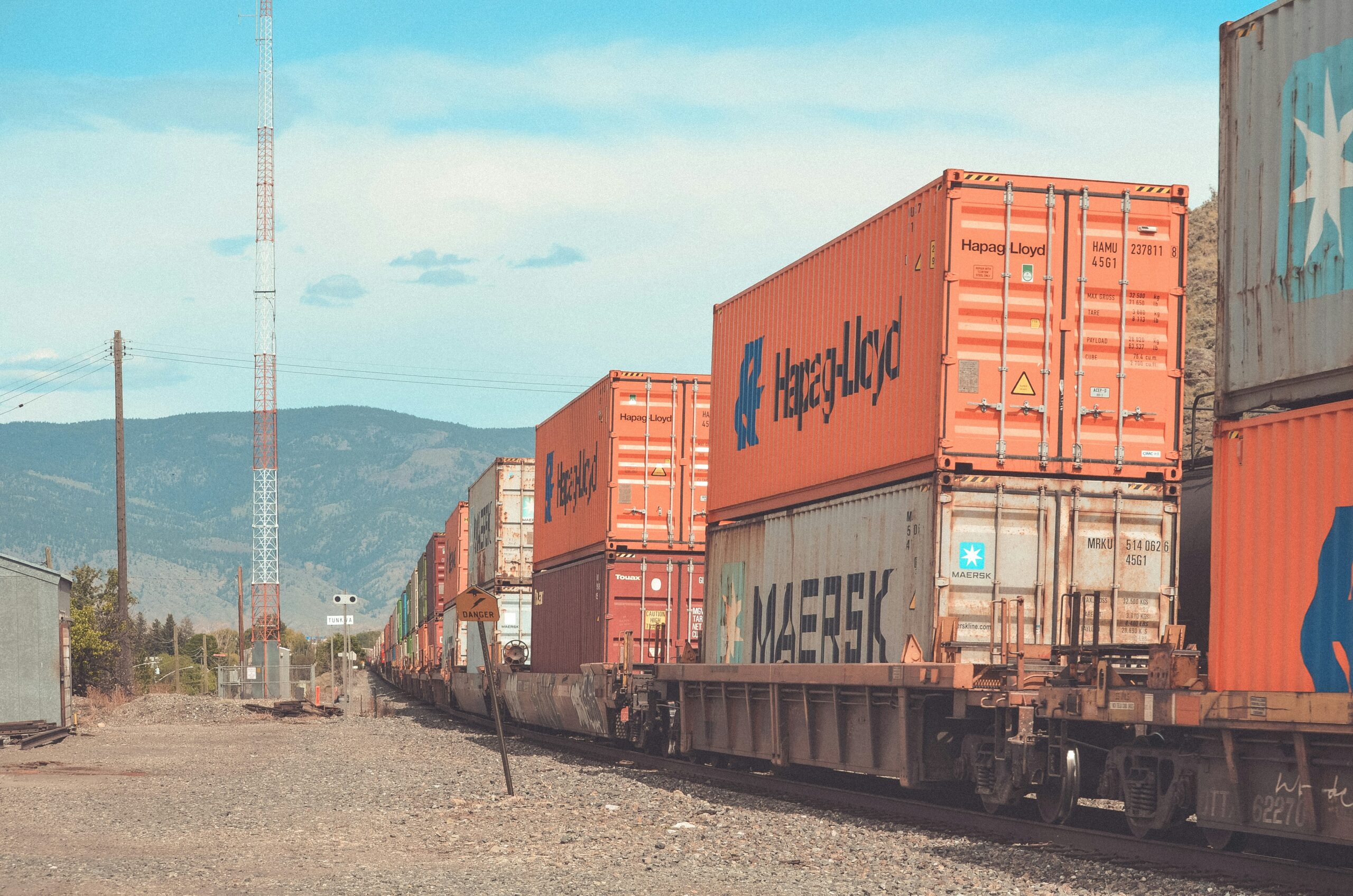
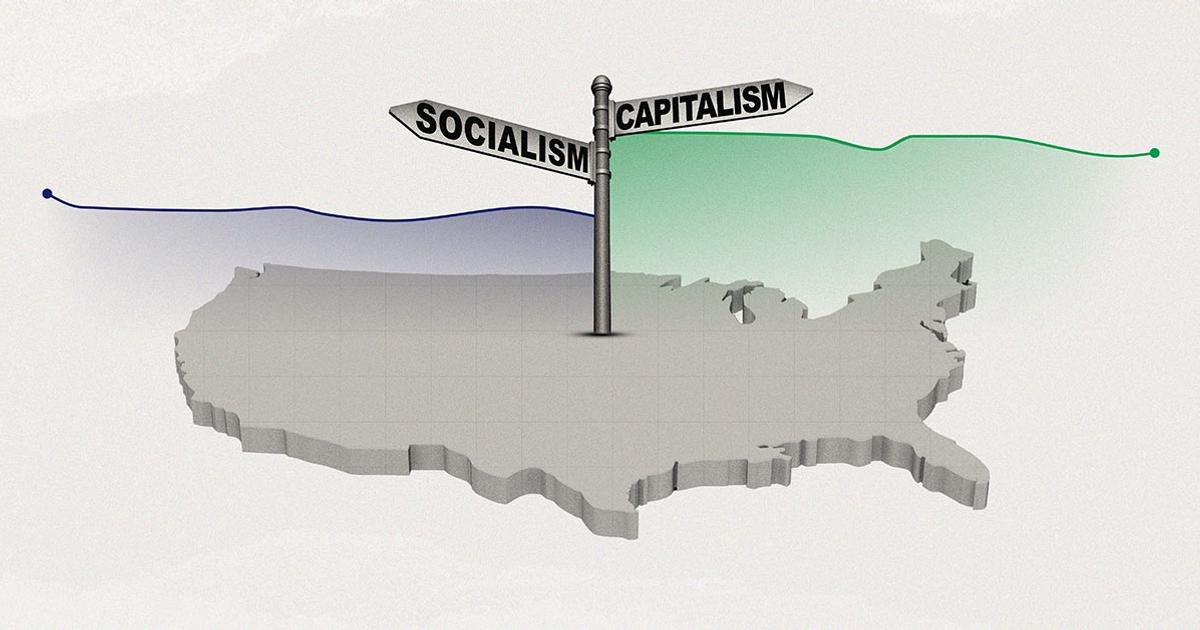
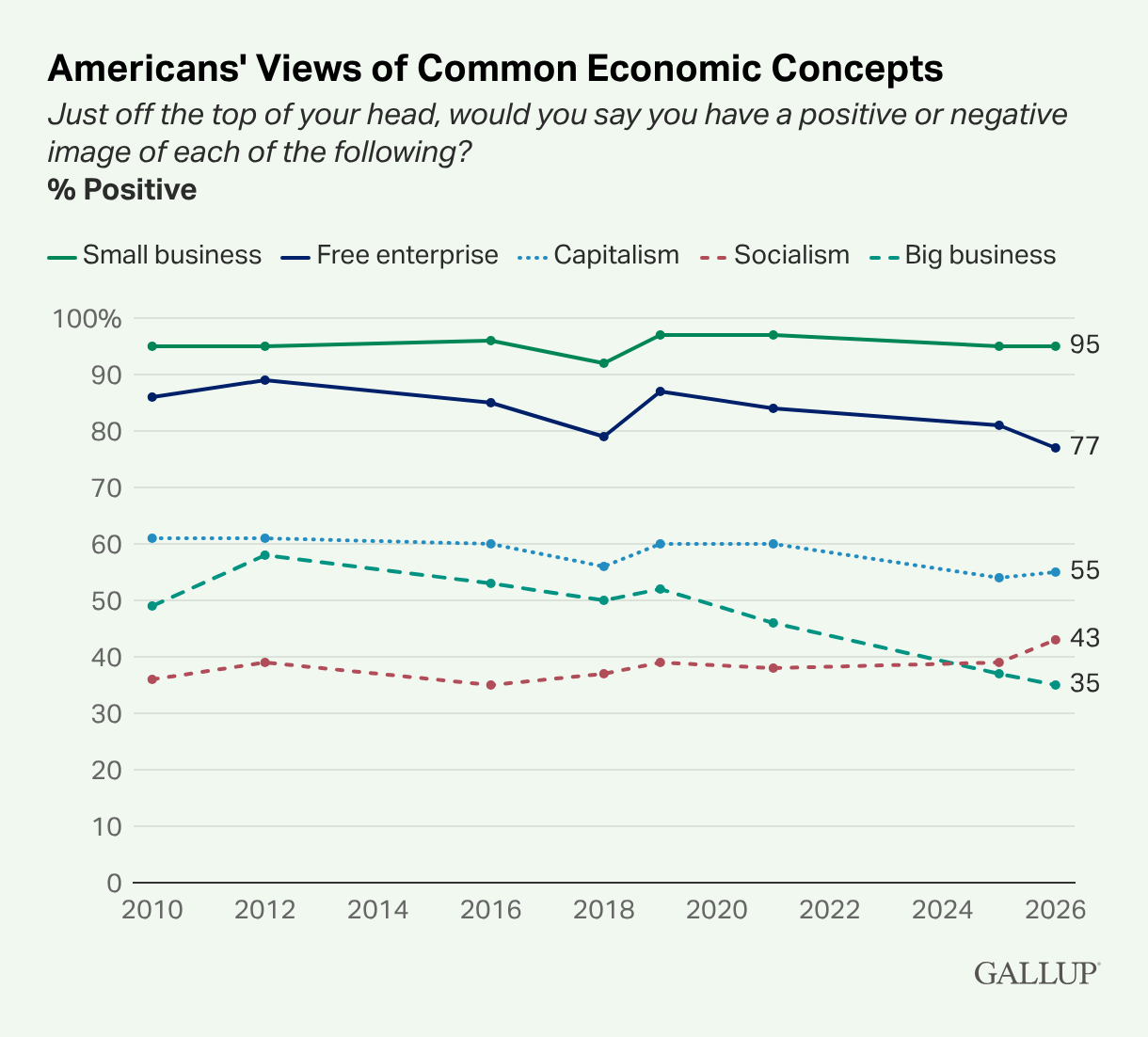
Socialism's Positive Rating Tops 40% for First Time
“Capitalism, free enterprise and especially big business are viewed less positively than they once were, while socialism has gained ground.” —
“Adults aged 18 to 34 view socialism more positively than capitalism (57% vs. 43%, respectively),”
 Lydia Saad
Will the real Adam Smith please stand up?
“Smith’s view was that a society built on shared values and a working sense of justice creates the conditions for economic growth”
https://www.deseret.com/magazine/2026/09/27/adam-smith-wealth-of-nations-annivesary/
“Smith saw trade — on the international or individual level — as positive-sum,” “transactions only happen when they’re mutually beneficial. Millions of people trying to do their best every day create marketplaces that solve the problems of strangers they may never meet.”
Gen Z voters hate capitalism — but they’ve barely even seen it
“Only 9% of voters under 30 have a “very positive” view of capitalism, or that nearly 60% of voters aged 18 to 24 want a Democratic Socialist to win the White House in 2028,” — Gen Z voters hate capitalism — but they’ve barely even seen it
 E. J. Antoni and Annie Heim

“In free markets, entrepreneurs profit only when creating value for others; if government takes the reward for their risk, expect less of both.”
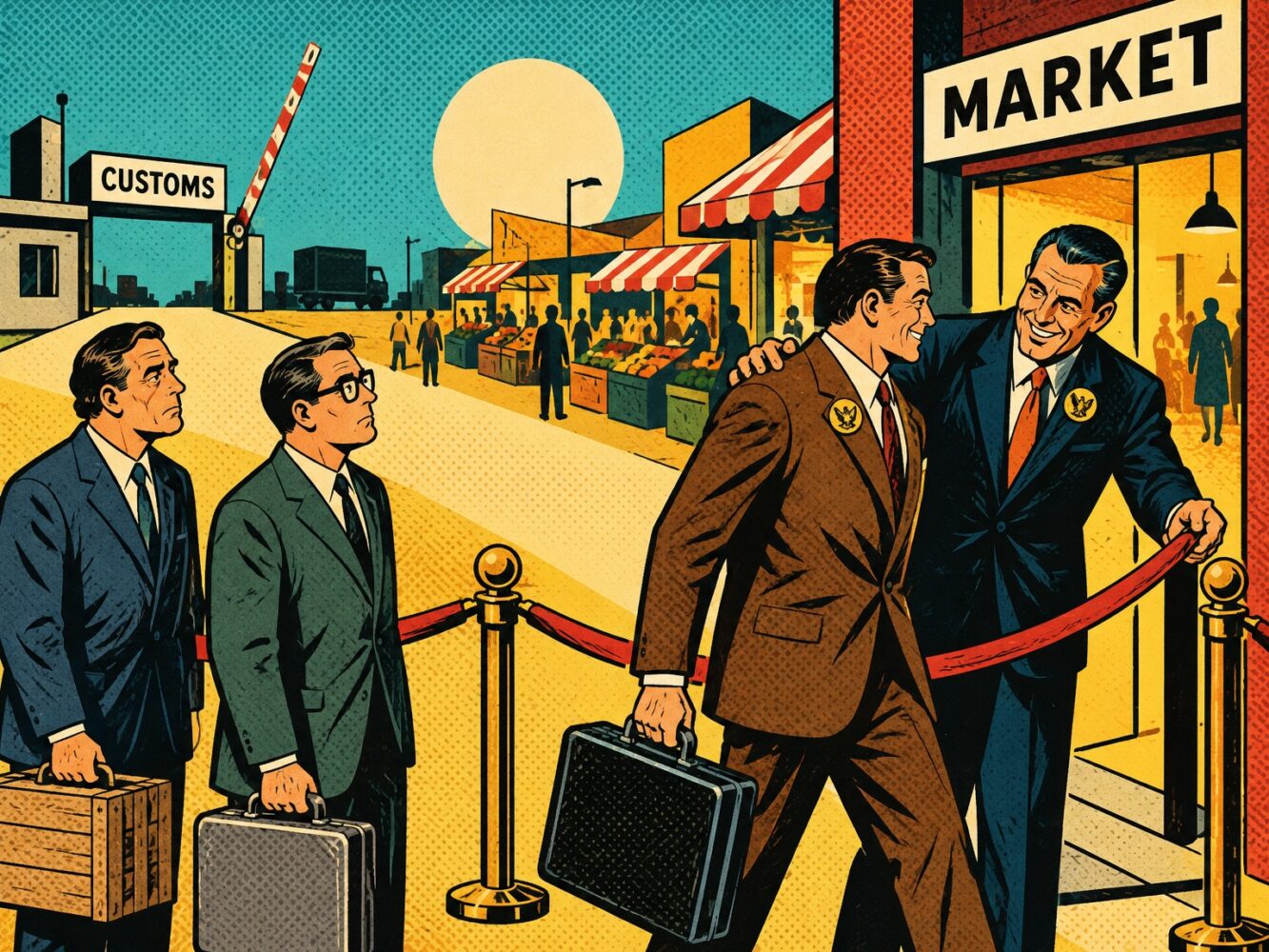
Beyond Tariffs: Free Trade and the Friends-and-Family Plan
Attempts to steer the market and shape outcomes through top-down government control have a very poor track record for delivering prosperity. Let's get the government out of the way of human flourishing.
“Trade deal can lower tariffs and yet still leave the hardest barriers untouched. The shipment clears customs, but the supplier cannot get a license, bid for a government contract, or compete with a subsidized state firm.”
 Alden Abbott
Hey team, Tony here. Donate, or help support the project by liking and sharing our Edition 29 post on X/Twitter.