E24: Trade, Trust, The Wealth of Nations, “First-of-its-kind vaccine” for E. coli in children, and more:


Tony Morley, March 12th, 2026

“The growth of the world’s population, combined with the expansion of the rule of law, property rights, and economic freedom, has ushered in a superabundant age of prosperity and lower prices. Zoomers have enjoyed the fruits of this economic miracle and are forecast to become the richest generation in history” — Aidan Grogan
Welcome to The Up Wing
You’re reading The Up Wing, Edition 24, progress and optimistic news and ideas, collated, curated, and delivered. We’re pro-growth, free markets, progress, techno-optimism, classical liberalism, and a better future for civilization. Help support our work by sharing Edition 24 on X/Twitter here:
The Wealth of Nations Turns 250
250 years later, 'The Wealth of Nations' still has lessons to offer the political class
This week, Adam Smith’s The Wealth of Nations turned 250 years old, and yet it remains one of the most important economic texts ever written; one where the core thesis remains critical to understanding how prosperity is fostered and sustained, both at the individual and national level.
“Trade which, without force or constraint, is naturally and regularly carried on between any two places, is always advantageous, though not always equally so, to both.”
 J.D. Tuccille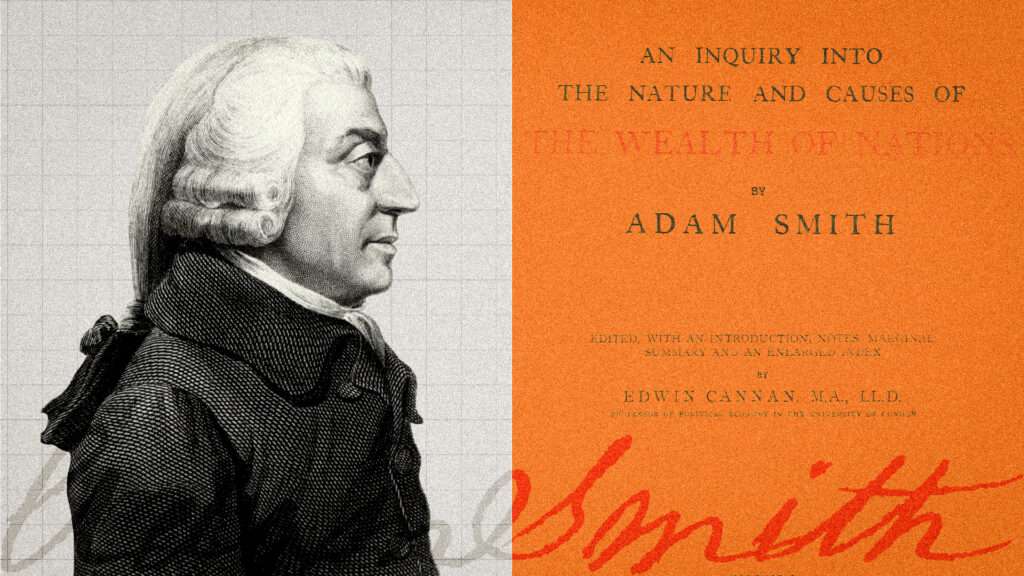
“Two hundred and fifty years after the publication of The Wealth of Nations, its insights remain unwelcome revelations to many of the officials who make us less free and less prosperous than we could otherwise be.”
A groundbreaking “First-of-its-kind vaccine” promises “significant protection against pathogenic E. coli in children”
 Sahas Mehra
“ETVAX reduced moderate-to-severe diarrhea from ETEC in all children by 48 percent and in infants younger than nine months by 68 percent.”
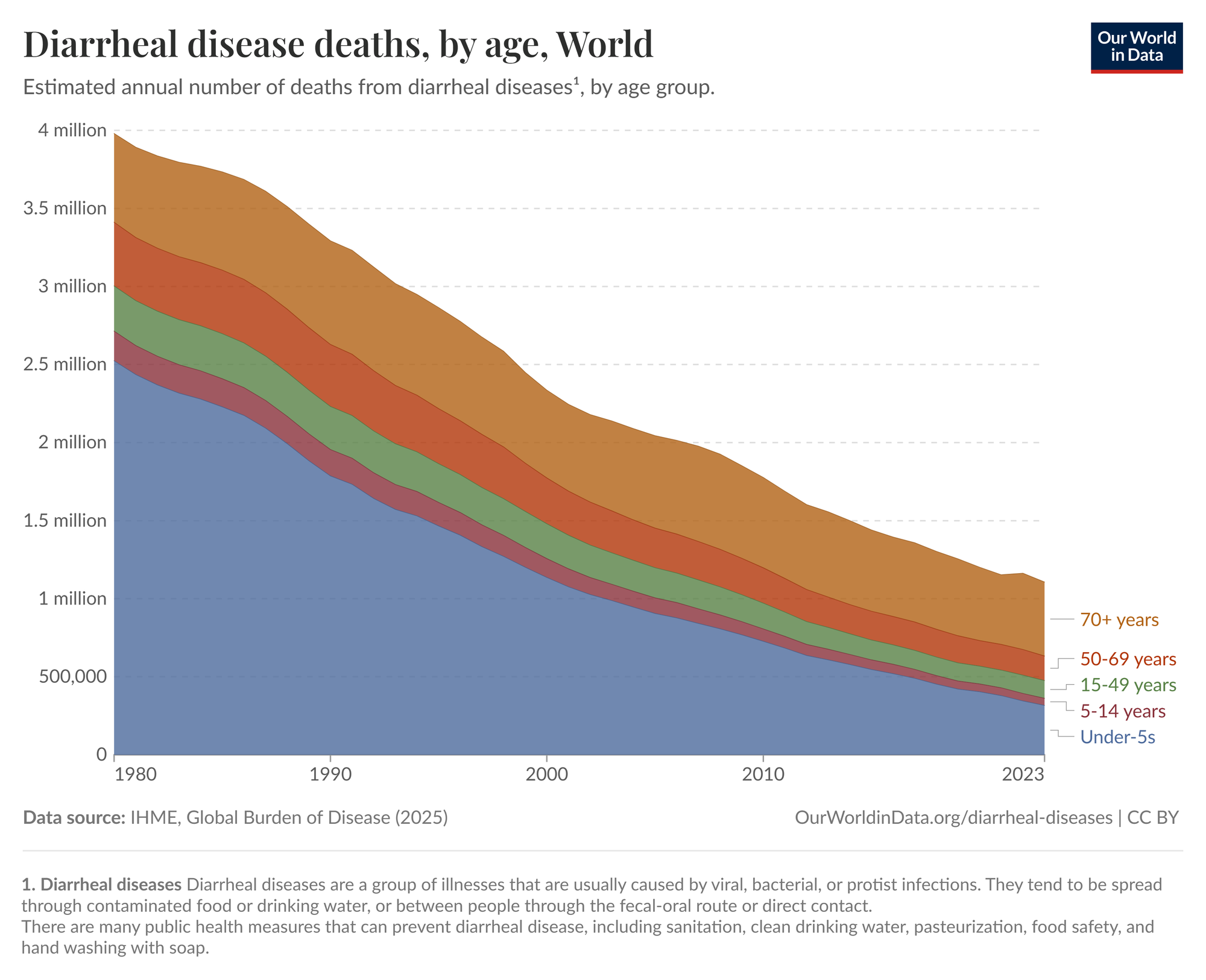
Diarrheal diseases claimed the lives of 1.1 million people in 2023, with some 316,000 of those being young children, under five years old. Granted, we've made incredible progress; in 1980, the under-5 death toll was a shocking 2.5 million.
It's brighter than it looks for Gen Z: “Gen Z Isn't the Poorest Generation”
It turns out the future of today’s young people isn’t as bleak and hopeless as is so widely publicised. It turns out, it’s actually brighter than it looks by many metrics.
 Aidan Grogan
“Many Zoomers are mistakenly convinced that their economic prospects are dismal” It's brighter than it looks, however. “Zoomers have enjoyed the fruits of this economic miracle and are forecast to become the richest generation in history,”
“The average person in 2024 had to work 70.4 percent less, on average, than someone in 1980 to purchase any of the 50 basic commodities measured by the Simon Abundance Index. These include natural gas, coal, aluminum, coffee, wheat, sugar, beef, and corn, among others.”
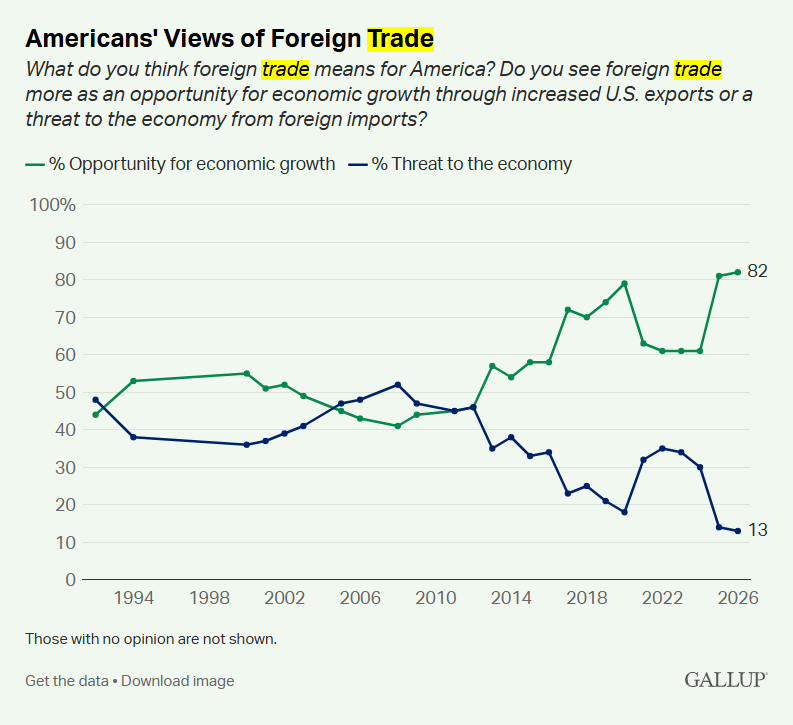
82% Say Trade Remains An Opportunity for Economic Growth
Majorities of all three party groups continue to see foreign trade as an opportunity, including 89% of Democrats, 81% of independents and 74% of Republicans.
“Gallup’s annual measure tracking Americans’ views of the economic impact of foreign trade finds a steady 82% saying it represents more of an opportunity for economic growth than a threat (13%) to the U.S. from foreign imports. Last year, this reading surged 20 points to 81%, which was similar to the prior high of 79% at the end of Trump’s first presidential term.”
 Megan Brenan
Pierre Poilievre, Free Trade Among Free Nations
On March 3rd, 2026, Pierre Poilievre, leader of the Conservative Party of Canada, delivered an outstanding speech at the Centre for Policy Studies’ Margaret Thatcher Lecture. The transcript was posted by the team at CapX, and is well worth your time.
“Voluntary exchange of work for wages, product for payment and investment for interest benefits all participants, or else they would not choose to participate. By contrast, everything the government does, it does by force of mandatory taxation. That is why no one writes ‘thank you’ on their tax return.”
 Pierre Poilievre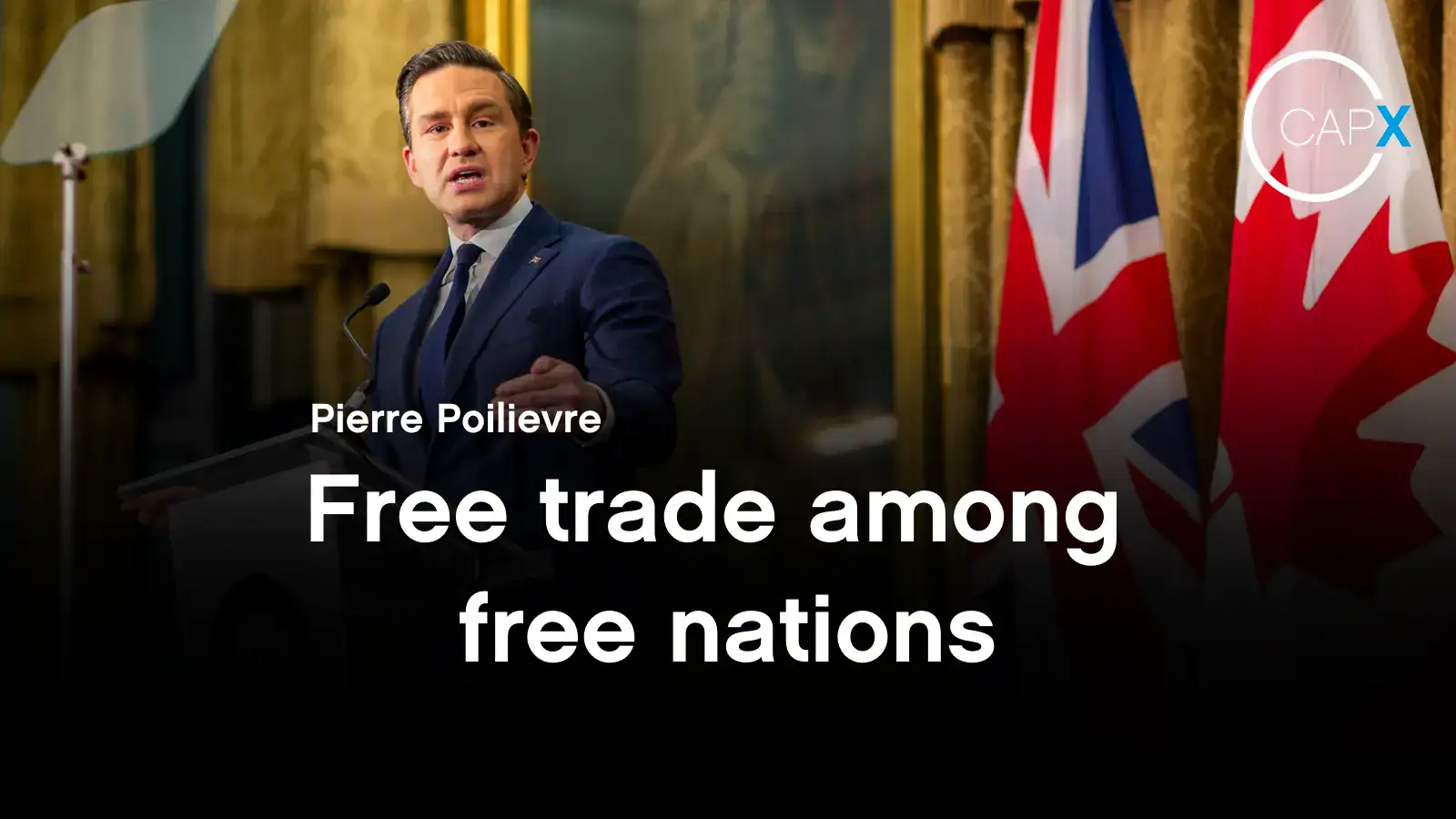
The Secret Ingredient That Makes Societies Work
Without trust, business stagnates, institutions collapse, growth slows, and shrinks, and living standards fall. Today in much of the West, we’re seeing a contraction in trust between citizens and governments, in each other, and between nations. The cost of letting that trust continue to erode may be the prosperity it helped build.
“A 15 percent increase in a nation’s belief that “most people can be trusted” adds a full percentage point to economic growth each year.” — The Secret Ingredient That Makes Societies (and civilization) Work, Kite & Key
“Yet in countries like Egypt, Mexico, and Vietnam, over 30 percent of citizens have reported having to pay bribes to people like police, judges, or doctors. In India, the number was over 50 percent. By contrast, the number in the U.S. was seven percent.”
The System Everyone Hates Is the One That Has Actually Worked
Neoliberalism reshaped global civilization, lifting millions from poverty, improving living standards, growing individual wealth, while extending life expectancy and lowering child mortality, and yet today “Neoliberalism” is a pejorative. This op-ed from Richard Hanania, makes the case for what we've taken for granted. “Despite its bad reputation, neoliberalism has been a global success story.”
“Neoliberalism made two major promises. It would put Western nations on a better economic track and also turbocharge development in the third world. On both accounts, it worked.” — Richard Hanania
 Richard Hanania
“Neoliberalism was characterized by taking seriously classical liberalism’s commitment to free markets and limited government.”
Almost all countries have ended large-scale forced labor, often surprisingly recently.
In the last century, humanity has made real progress in reducing the number and percentage of people forced into slavery and labor. “For much of history, forced labor was widespread and brutal. Tens of millions of people were made to work under the threat of violence or punishment.”
“Much of this progress is also surprisingly recent. In many places, slavery was abolished in the 19th century, but similarly repressive systems continued under new names and legal systems. It wasn’t until the decades after World War II that decolonization dismantled the highly coercive colonial labor systems in many more countries.”
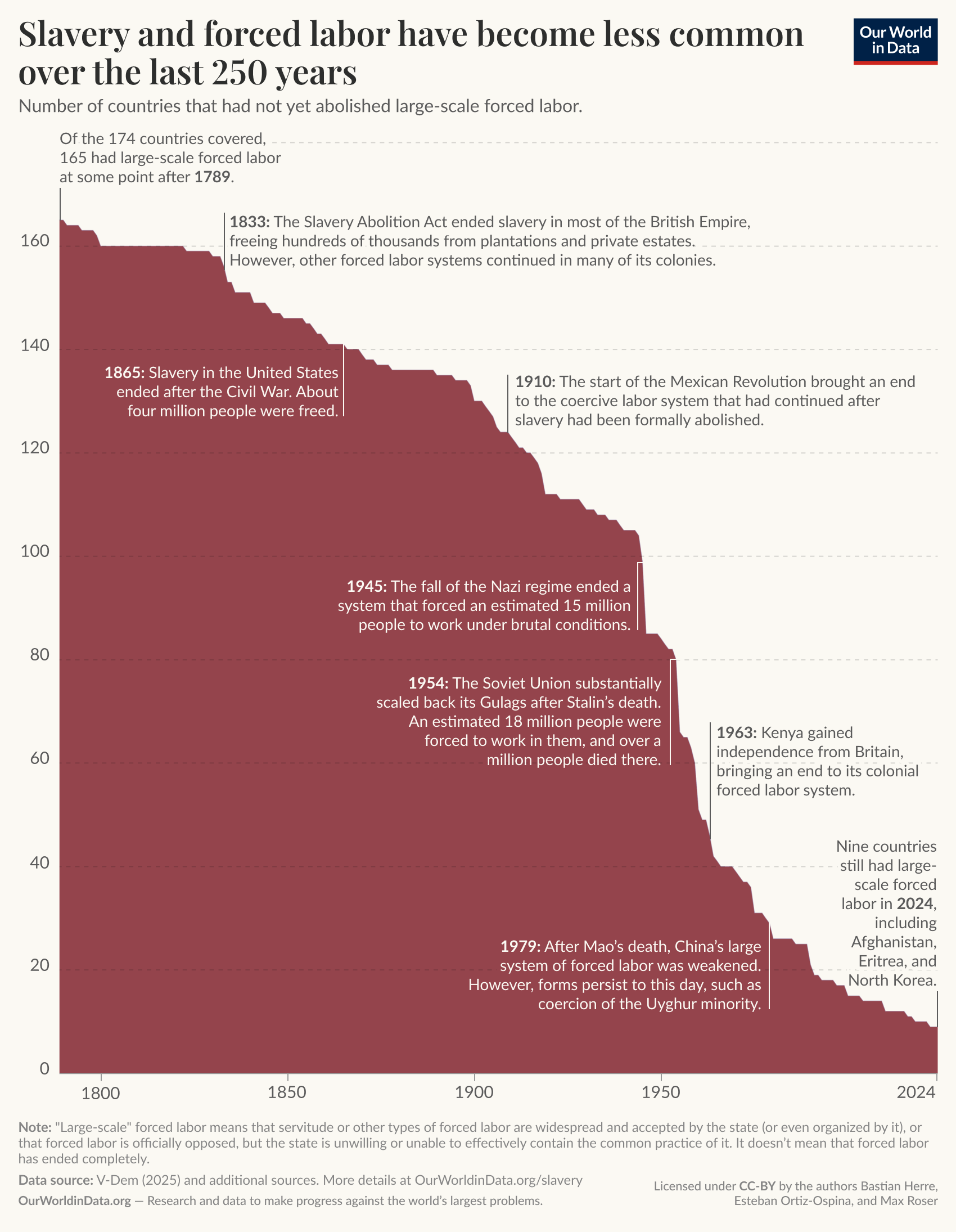
“Almost all countries have ended large-scale forced labor, often surprisingly recently.”


Adding crushed basalt to agriculture fields could absorb a billion tonnes of CO2
A low-tech chemical process that’s deployable at scale could help lock enormous amounts of atmospheric CO2 in soil, rock and water, while boosting crop yields.
“Spreading crushed silicate rocks like basalt on fields could remove up to 1.1 billion tonnes of carbon dioxide from the atmosphere annually while increasing crop yields, according to an analysis of the method’s global potential.”
 #author.fullName}
A deep history of America’s tariff wars
The last century of American trade has seen a pendulum swing between protectionism and high tariffs, and liberalism and free or freer trade. Today, America stands at yet another crossroads, where there remains a very real risk that deepening trends toward protectionism could eat into the living standards and prosperity of Americans. In this op-ed, Samuel Gregg dives into America’s “deep history” with trade and tariffs.
“The challenge to Trump’s tariff strategy is part of a much longer story. Controversy over trade policy has shaped American politics since the US Constitution was ratified in 1788.”
 Samuel Gregg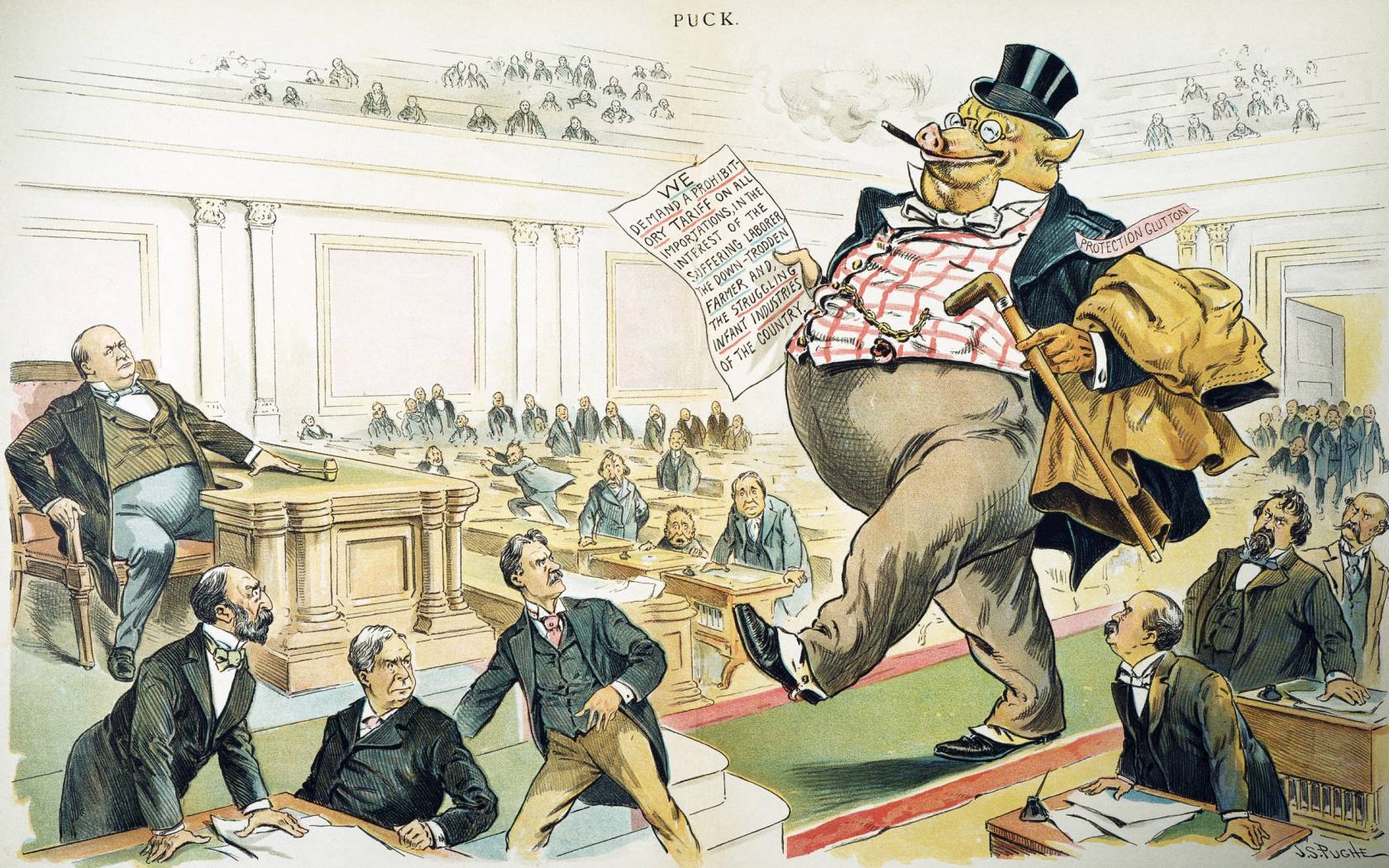
“In the end, trade policy in America is determined by a mélange of factors, ranging from which set of economic ideas are exercising intellectual dominance to which interest-groups can persuade legislators to see things their way.”
Hey team, Tony here. Can you help support The Up Wing mission? 80% of our readers are currently free subscribers; please consider supporting our mission and newsletter here: Support The Up Wing, or help support the project by liking and sharing our Edition 24 post on X/Twitter.